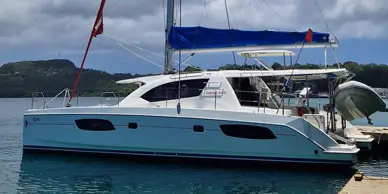
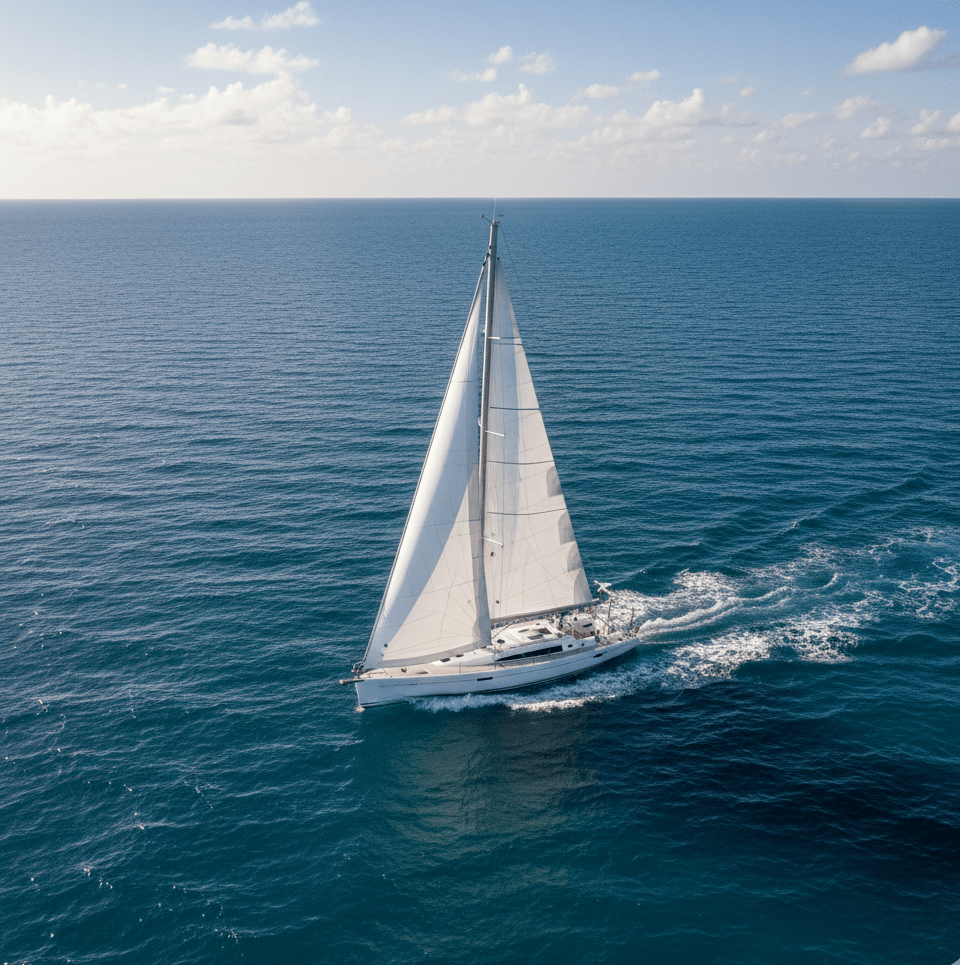
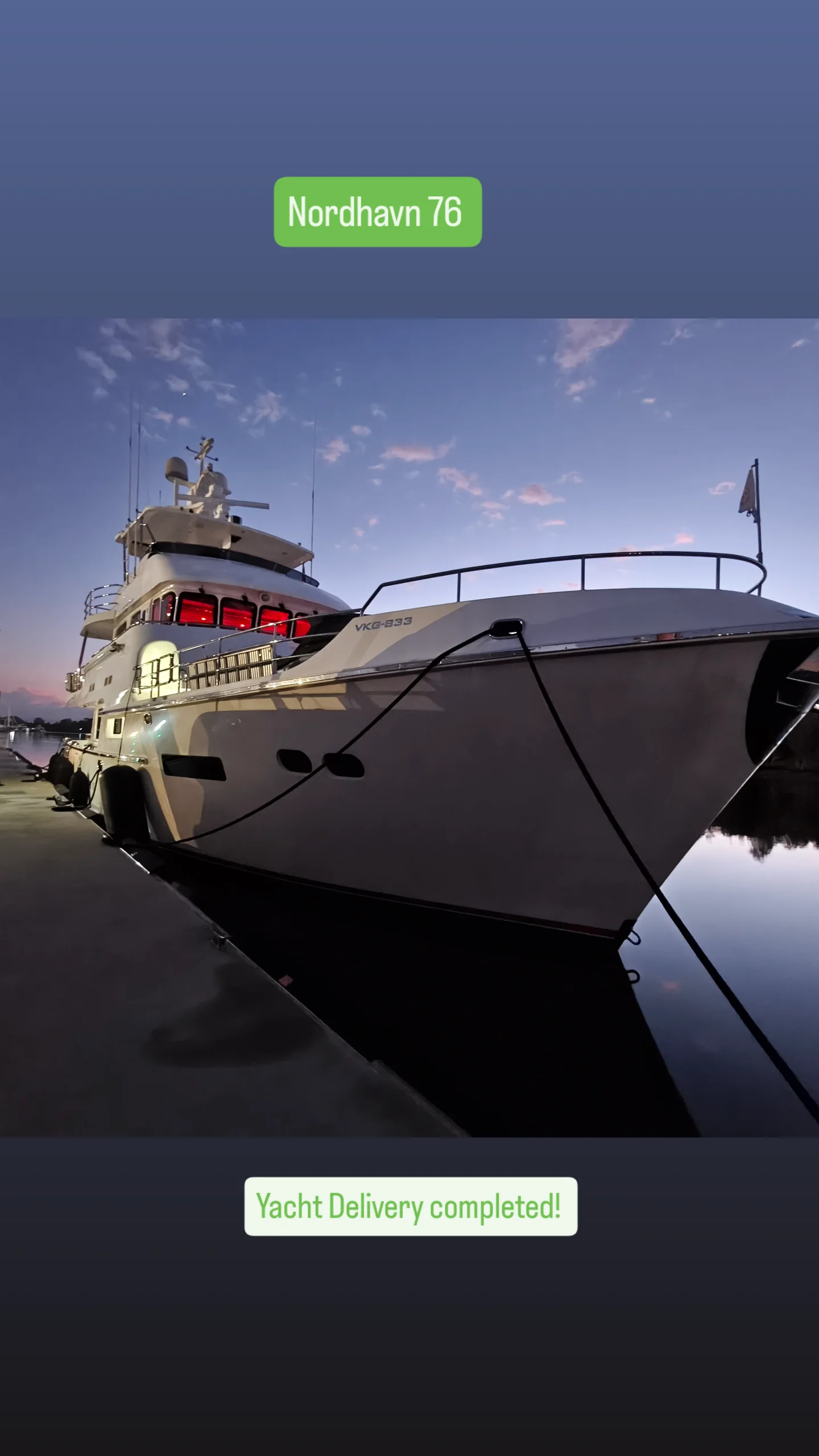
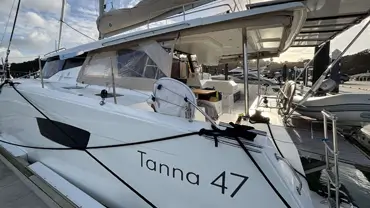
Offshore Multihull Operations: Weather Routing, Logistics & Compliance
A successful offshore multihull delivery is an exercise in technical discipline and logistical precision. Unlike coastal cruising, international transits require a specialized focus on synoptic weather analysis, vessel hardening, and rigorous regulatory compliance.
1. Synoptic Weather Routing & Structural Stability
For multihulls, weather routing is not just about comfort—it is about managing structural loads. Our operational planning focuses on:
Sea State Mitigation: Utilizing high-resolution GRIB data to avoid beam-on swells and cross-seas that increase torsional stress on the bridge deck.
Vulnerability Windows: Identifying synoptic gaps that allow for consistent speed-over-ground while maintaining a conservative safety margin for the rig.
2. Technical Vessel Preparation (Hardening)
Before any offshore passage, we conduct a comprehensive systems audit to ensure the vessel is “hardened” for the transit:
Standing Rigging & Structural Integrity: Detailed inspection of crossbeam compression, shroud tension, and chainplate security.
Mechanical Redundancy: Bench-testing twin-engine fuel delivery systems and independent power generation to ensure autonomous operation in remote reaches of the South Pacific.
Spares Management: Provisioning of mission-critical mechanical components, including filtration sets, cooling system spares, and specialized seals.
3. International Compliance & Authority Liaison
Managing the bureaucracy of international borders is a core component of our professional service. We oversee:
Regulatory Documentation: Coordination of Advance Notice of Arrival (ANA), customs declarations, and immigration clearances across multiple jurisdictions.
Biosecurity Standards: Ensuring the vessel meets stringent hull-cleanliness (bio-fouling) and sanitation requirements for entry into New Zealand and Australian waters.
Port Logistics: Managing the logistics of wide-beam berthing and high-volume fuel bunkering in Pacific island ports.
By integrating weather intelligence with mechanical engineering and logistical oversight, we ensure that every multihull relocation is executed with professional-grade precision.